


Short answer: AI automation in Saudi Arabia works best when you start with the boring jobs: answering the same WhatsApp questions, booking appointments, copying order details between systems, chasing unpaid invoices and turning daily sales into a report. Automate two or three of those well, keep a person in charge of anything involving money or complaints, and handle customer data in line with the Personal Data Protection Law. That is where most businesses see the payoff, whatever their size or sector.
Saudi businesses are moving quickly here. According to the General Authority for Statistics (GASTAT), 33.1% of establishments used AI in 2025, a 20% rise on the year before. Adoption was highest in information and communications (61.1%) and finance and insurance (52.9%). The other side of that number matters more for most owners: two in three businesses have not started yet, and many of them are the shops, clinics, restaurants and trading companies that would benefit most.
On this page
What AI automation in Saudi Arabia looks like day to day
Forget robots. For a small or mid-sized business, AI automation in Saudi Arabia usually means three things working together:
The aim is not to replace your staff. It is to stop paying skilled people to copy, paste and answer "what are your opening hours?" forty times a day.
- Workflow automation moves data between the tools you already use. A new order on your website creates an invoice, updates stock and sends a confirmation, without anyone typing it twice.
- AI models handle the parts that need reading or writing: understanding a customer's message in Arabic or English, pulling details out of a PDF purchase order, or drafting a reply.
- A human check sits wherever a mistake would cost money or trust. The system drafts; your team approves.
8 jobs to automate first
These are the tasks we see eating the most hours in Saudi businesses, ordered roughly by how quickly they pay back.
1. Answering repeat WhatsApp and website questions
Prices, locations, opening hours during Ramadan, delivery areas, stock availability. An AI assistant trained on your own information answers instantly in Arabic or English and hands over to a person when the question is unusual or the customer is unhappy.
2. Bookings and reminders
Clinics, salons, workshops and consultants lose real money to no-shows. Automated booking with WhatsApp or SMS reminders the day before, and an easy reschedule link, cuts that loss without anyone making calls.
3. Lead capture and follow-up
Every enquiry from your website, Instagram or Google Business Profile lands in one place, gets tagged by service and city, and receives a reply within minutes. Leads that go quiet get a polite follow-up after a set number of days.
4. Order and invoice data entry
If your team copies details from emails, PDFs or WhatsApp photos into your accounting or ERP system, AI document reading can extract the fields and pre-fill the entry for a quick check. This is where trading and distribution companies usually save the most time.
5. Payment reminders
Polite, scheduled reminders for overdue invoices, with the invoice attached and a payment link. Your accounts team only steps in for the accounts that still do not pay.
6. Daily and weekly reports
Sales by branch, top products, cash position, outstanding receivables. Instead of someone building a spreadsheet every morning, the report arrives on the owner's phone at 8am.
7. Reviews and reputation
Automatically ask happy customers for a Google review after a purchase or visit, and alert a manager the moment a negative review appears so it gets a fast, human reply.
8. Internal knowledge
New staff ask the same questions about pricing rules, return policies and processes. A private assistant that answers from your own documents shortens training and keeps answers consistent.
We cover several of these in more depth in seven small business jobs to hand over to AI first.
AI automation ideas by business type
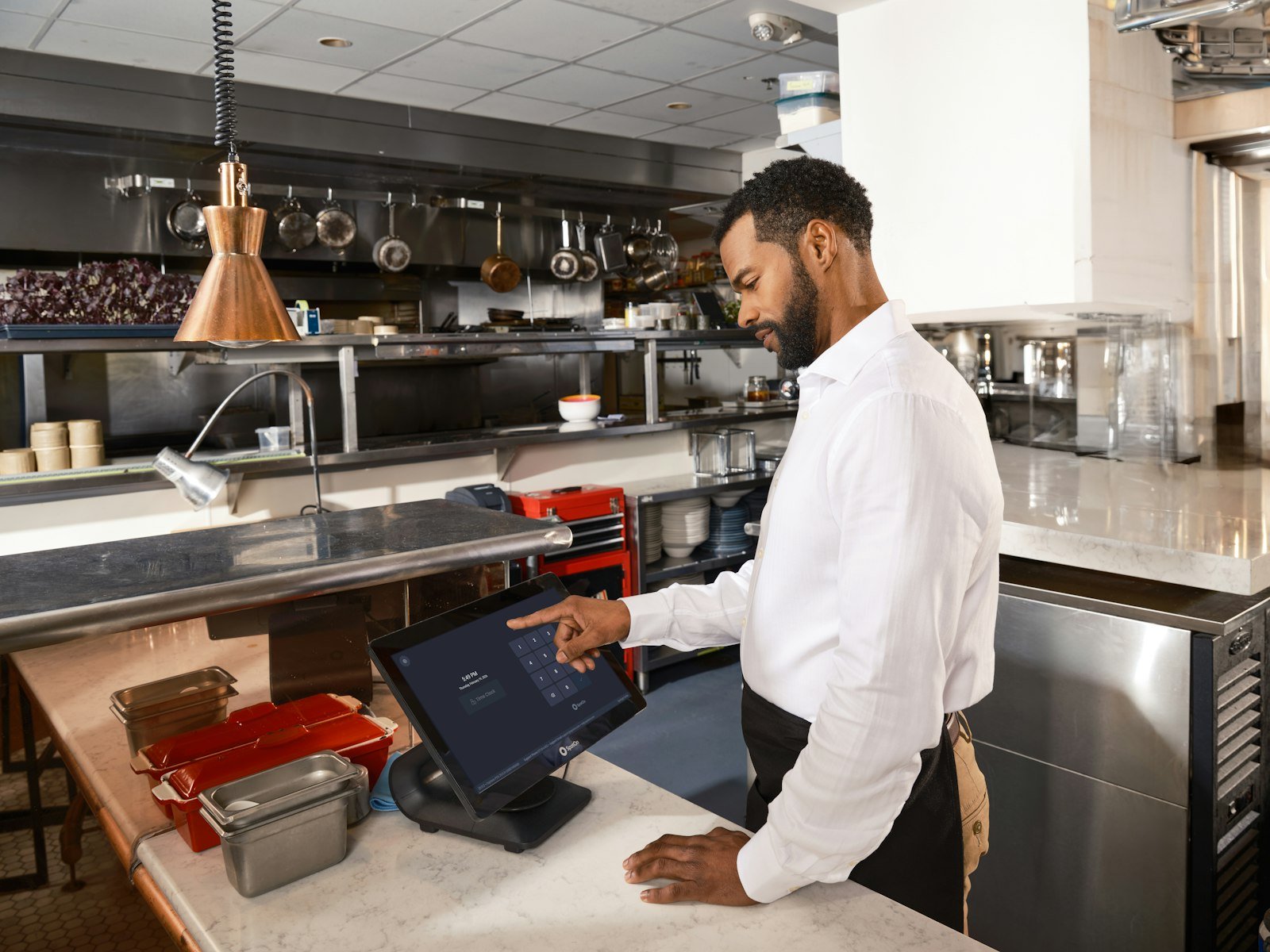
BusinessGood first automationWhat it saves Retail and e-commerceOrder status replies on WhatsApp, low-stock alerts, abandoned cart remindersCustomer service hours, lost sales Restaurants and cafésReservation handling, daily sales and waste report, review requestsPhone time, manager admin Clinics and salonsOnline booking, reminders, post-visit follow-upNo-shows, front desk workload Real estateLead qualification, viewing scheduling, listing descriptions in two languagesAgent time on unqualified leads Trading and distributionPurchase order reading, quotation drafting, receivable remindersData entry, cash tied up in late payments Contractors and servicesQuote requests, job scheduling, site photo reportsBack-office hours, missed follow-ups Notice that none of these require a large IT team. Most AI automation in Saudi Arabia starts exactly like this: one task, one team, measurable results. Most run on top of tools you already pay for, connected with a workflow platform and an AI model.
Arabic, dialects and WhatsApp: the local details
Off-the-shelf chatbots built for English markets often stumble in Saudi Arabia. Customers write in Gulf dialect, in Modern Standard Arabic, in English, and in Arabic typed with Latin letters, sometimes in one message. Any assistant you deploy needs testing with real customer messages, not textbook Arabic.
WhatsApp is where those conversations happen, so automation should live there too. The official WhatsApp Business Platform allows automated replies, templates for reminders and a hand-over to staff, and it keeps your business number rather than one employee's phone at the centre. Expect a small per-conversation fee from Meta for some message types.
Plan for the calendar as well. Ramadan hours, Eid closures and the Sunday to Thursday working week should be built into reminders and auto-replies, so customers never get a message that feels out of touch.
PDPL and the rules to respect
Saudi Arabia's Personal Data Protection Law has been fully enforceable since 14 September 2024. If your automation touches customer names, phone numbers, health details or payment information, a few principles apply:
SDAIA, the Saudi Data and AI Authority, also publishes AI ethics principles that are worth reading before you put an AI system in front of customers. This is not legal advice; for regulated sectors such as healthcare and finance, check your setup with a local adviser.
- Collect only the data the automation needs, and tell customers how it is used.
- Get consent before sending marketing messages.
- Be careful about sending personal data to AI services hosted outside the Kingdom; the law sets conditions for cross-border transfers.
- Keep sensitive data, such as health information, out of general-purpose AI tools altogether unless the setup has been reviewed.
How to start without wasting money
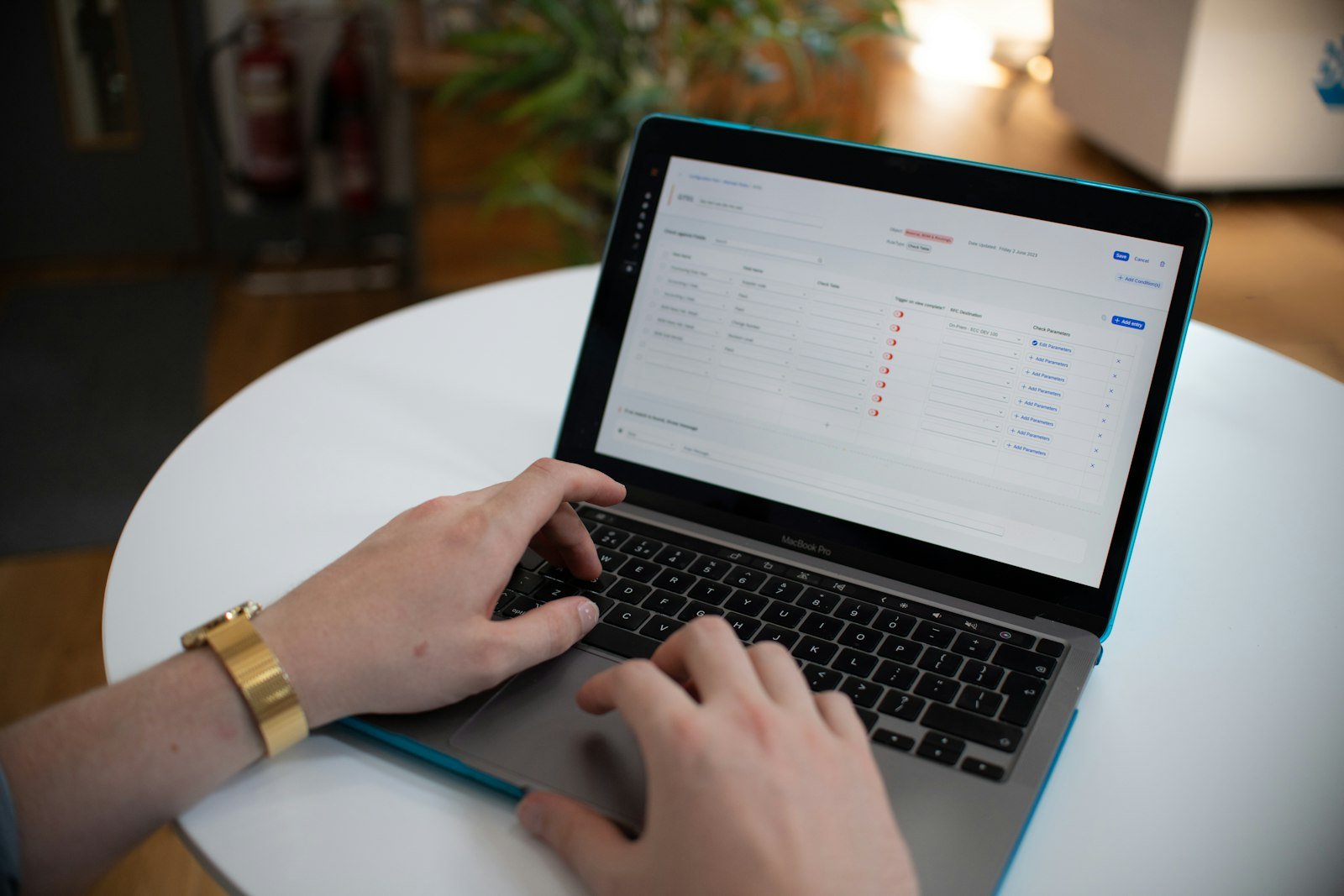
Running costs are usually modest: a workflow platform subscription, AI usage charged per message or document, and WhatsApp conversation fees. Our article on what AI automation really costs shows how to estimate the numbers before you commit.
- List your repeat tasks for one week. Ask each team member to note anything they do more than five times a day.
- Pick one with a clear cost. Missed bookings, slow lead replies and late payments are easy to measure.
- Automate it end to end, with a human check. A small system that works beats an ambitious one nobody trusts.
- Measure for 30 days. Hours saved, faster replies, fewer no-shows, money collected sooner.
- Then expand. Once the first automation proves itself, the second one is much easier to justify.
Questions Saudi businesses ask about AI automation
Is AI automation only for large companies?
No. Small businesses often see the fastest return because one or two people handle everything. Automating enquiries and reminders can give an owner back several hours a week.
Can an AI assistant reply in Saudi dialect?
Current AI models handle Gulf Arabic reasonably well, but quality varies. We test assistants with real messages from your customers and keep a human hand-over for anything the system is unsure about.
Will automation replace my staff?
In our experience it changes what they spend time on. Staff stop copying data and answering the same questions, and spend more time on sales, service and problems that need judgement.
Do I need new software to automate?
Usually not. Most automations connect the tools you already have: WhatsApp, your website, Google Sheets, your accounting or ERP system. Where nothing fits, a small custom software module fills the gap.
How long does a first automation take?
A focused automation, such as WhatsApp replies or booking reminders, typically takes a few weeks including testing. Larger projects that touch accounting or stock take longer, and we scope those carefully before starting.
Ready to automate your first job?
Our AI automation service helps businesses in Saudi Arabia and across the Gulf find the tasks worth automating, build them properly, and keep a person in control. Send us a short description of your business through the contact page or on WhatsApp at +92 330 9341181, and we will tell you plainly which two or three jobs we would automate first.